Florida’s Migration Story Looks Very Different Than It Did 3 Years Ago
Just a few years ago, Florida was at the center of one of the biggest migration booms the country had seen in decades.
People were moving here rapidly from all over the United States, often purchasing homes sight unseen and competing aggressively for limited inventory.
Remote work exploded.
Lifestyle priorities shifted.
And Florida quickly became one of the most desired relocation destinations in the country.
But fast forward to 2026, and the migration story looks very different than it did just three years ago.
That doesn’t mean people stopped moving to Florida.
Far from it.
What changed is why people are moving, where they’re moving, and how they’re making those decisions.
Across communities like Tampa, Plant City, Wesley Chapel, Lakeland, and throughout much of West Central Florida, buyer priorities have evolved significantly.
The “Move to Florida at Any Cost” Phase Has Slowed
During the height of the migration boom, many buyers were relocating quickly and emotionally.
Low inventory, historically low interest rates, and intense competition created an environment where buyers often felt pressure to act immediately.
People were moving for:
Remote work flexibility
Lower taxes
Warmer weather
Lifestyle changes
More space
Pandemic-driven priorities
At that time, many buyers were less focused on affordability and more focused on simply securing a home in Florida before prices climbed even higher.
Today’s Buyers Are Much More Strategic
In 2026, buyers moving to Florida are approaching the process differently.
Today's relocation buyers are asking more detailed questions about:
Insurance costs
Property taxes
Commute times
Long-term affordability
Community amenities
Lifestyle fit
Flood zones
New construction quality
Overall value
The urgency has softened, and buyers are becoming more intentional about where and how they live.
Lifestyle Has Become a Bigger Priority Than Status
One of the biggest shifts happening right now is that buyers are prioritizing quality of life over flashy locations or oversized homes.
Instead of simply chasing beachfront living or large luxury homes, many buyers are now looking for:
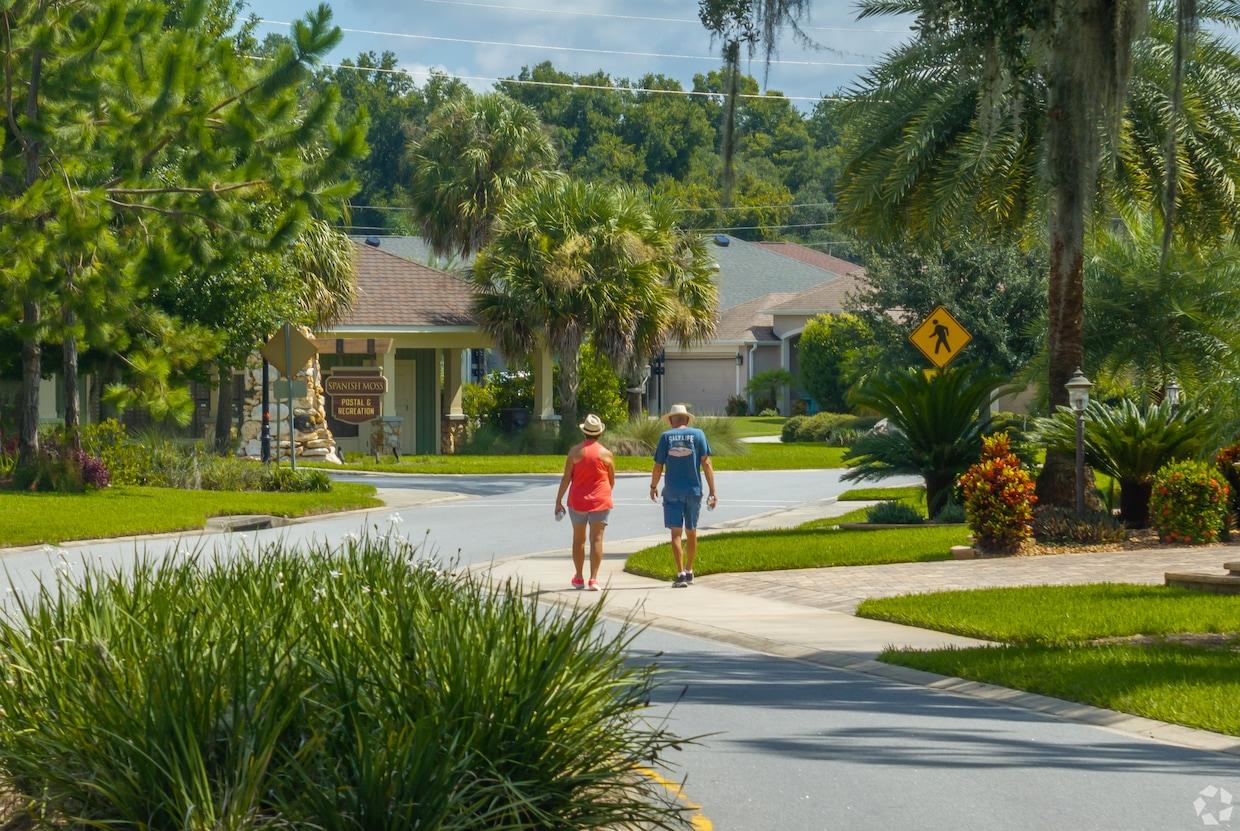
Walkable communities
Resort-style amenities
Outdoor living
Wellness-focused neighborhoods
Flexible work-from-home spaces
Lower-maintenance living
Strong sense of community
This shift is one reason inland communities and suburban growth areas continue seeing strong interest.
Inland Communities Are Gaining More Attention
Over the past few years, many buyers began expanding their searches beyond the major coastal cities.
Communities like Plant City and Lakeland have gained popularity among buyers looking for:
More space
Better affordability
Larger lots
New construction opportunities
Convenient access to Tampa and Orlando
Slower-paced lifestyles
Meanwhile, areas like Wesley Chapel continue attracting buyers with newer master-planned communities, amenities, and convenient access to major employment corridors.
Insurance Costs Changed Buyer Behavior
One factor that significantly changed Florida migration conversations is insurance.
A few years ago, many buyers focused almost entirely on purchase price and location.
Today, buyers are much more aware of:
Homeowners insurance costs
Flood insurance
Roof age
Construction type
Elevation
Long-term ownership expenses
This has caused many buyers to become more educated and strategic throughout the home search process.
Remote Work Still Matters — But Differently
Remote work continues influencing Florida migration, but the trend has evolved.
Instead of buyers relocating solely because they can work remotely from anywhere, many are now seeking:
Better work-life balance
Hybrid work flexibility
Lifestyle-focused communities
Larger or more functional living spaces
Access to outdoor amenities
Home offices, flex spaces, and functional layouts remain highly desirable because buyers are still using their homes differently than they did before 2020.
Buyers Want Value Again
Perhaps one of the biggest shifts in Florida's migration story is that buyers are focusing on value once again.
During the height of the frenzy, many buyers felt forced to compromise because competition was so intense.
Today, buyers are:
Comparing options more carefully
Negotiating more strategically
Evaluating long-term costs
Prioritizing functionality
Taking more time making decisions
In many ways, today's market feels healthier and more balanced than the rapid pace we experienced several years ago.
Florida Is Still Growing — Just More Thoughtfully
Despite headlines suggesting migration has slowed, Florida continues attracting new residents every day.
The difference is that today's buyers are moving with a more thoughtful and long-term mindset.
They're not just asking:
“Can we move to Florida?”
They're asking:
“Where in Florida truly fits the lifestyle we want?”
And that question is reshaping communities throughout the state.
Final Thoughts
Florida’s migration story hasn’t ended.
It has evolved.
The fast-moving frenzy of the past few years has shifted into a more strategic, lifestyle-focused, and value-conscious market.
Today's buyers are prioritizing:
Community
Affordability
Lifestyle
Wellness
Flexibility
Long-term value
Everyday quality of life
And understanding those evolving priorities is helping shape the future of Florida real estate.
If you're considering a move to the Tampa Bay area or simply trying to understand how today's market is evolving, I’d be happy to help guide you through your options.
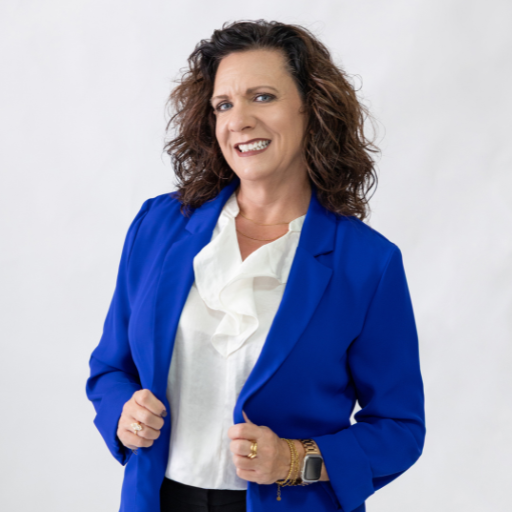
I’m Lisa Rhodes, Broker/Owner of Rhodes Realty Group, where all Rhodes lead home.